Tools for Disaster Risk Reduction Cluster
How to deal with flash floods? How to manage rapidly spreading wildfires? What does sea level rise mean for the Mediterranean region? How to manage the risk of droughts? How can we improve the resilience of the Mediterranean region to natural disasters?
These questions unite 4 Thematic projects of the Natural Heritage Mission in a cluster on ‘Tools for Disaster Risk Reduction’, which is done within the framework of the Natural Heritage Mission’s Amplification Room. FRED, LocAll4Flood, Germ of Life, and MedSeaRise are all working on disaster risk reduction and management, and adaptation to climate change while highlighting the importance of innovative solutions.
FRED
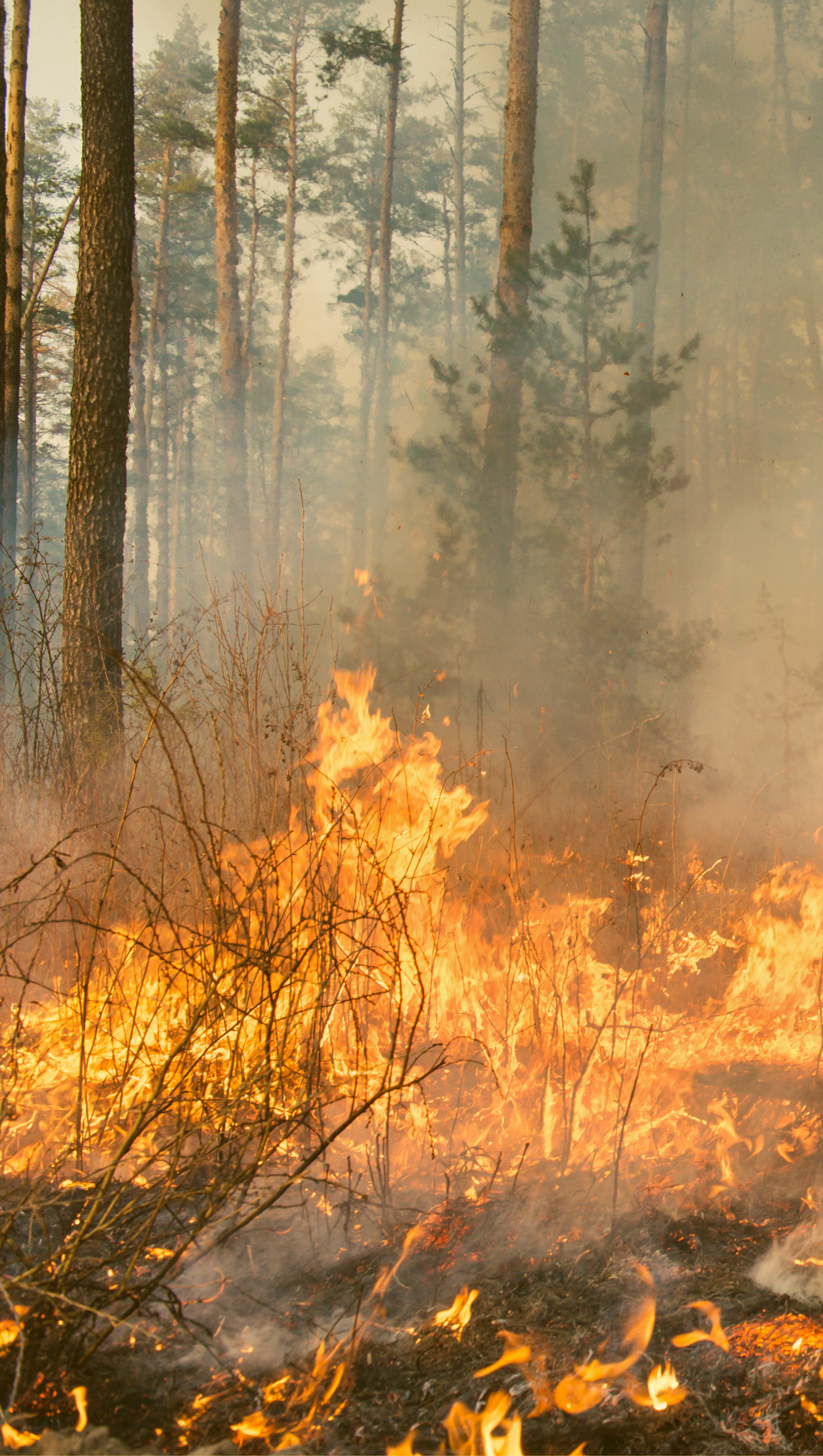
Imagine a fire so intense that it creates its own weather, spreads faster than firefighters can react, and forces entire communities to evacuate within hours. This is no longer an exception; it’s becoming increasingly common.
The Mediterranean now experiences roughly twice as many days of extreme wildfire weather as it did in the 1980s. Climate change has created hotter and drier summers, while decades of land abandonment have allowed forests to become denser and accumulate large amounts of fuel. For decades, our response to wildfires has focused on one question: How do we extinguish them? Today, however, the real question is different: How do we live with a phenomenon that is changing faster than our ability to control it?
This new reality demands a new approach. Investing only in fire suppression is no longer enough. We need a holistic strategy that combines prevention, preparedness, suppression and post-fire restoration. Fortunately, recent advances in remote sensing, Earth observation, artificial intelligence, and fire simulation provide us with powerful digital tools that can help us better understand, anticipate and manage wildfire risk. That is what we aim to do in FRED.
Access granted to registered users only. For user account and access privileges, please contact osrecki@rgo.hr.
LocAll4Flood
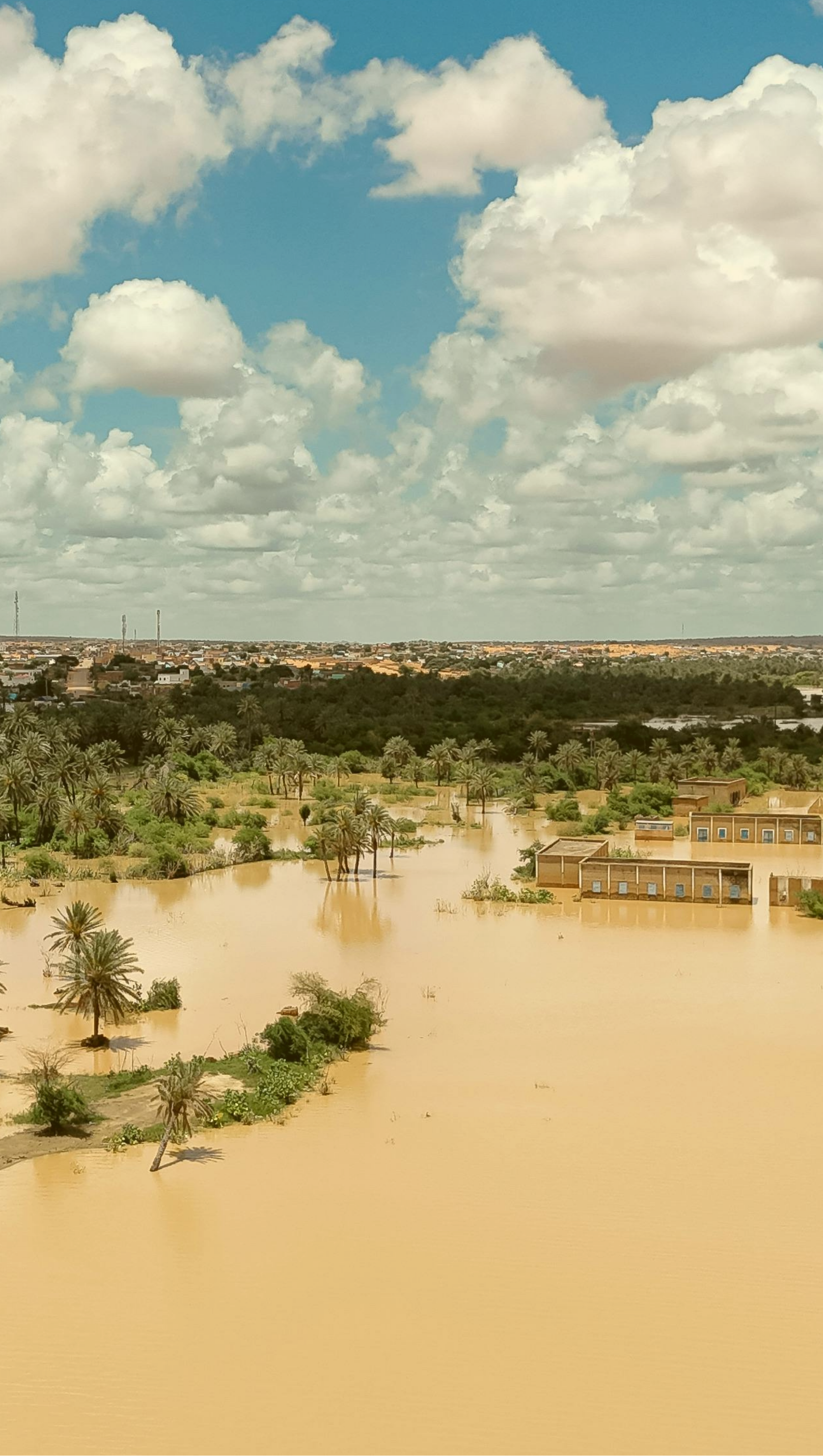
Episodes of intense rainfall are part of the Mediterranean climate, and they are expected to increase in frequency and intensity. These phenomena often lead to flash floods causing loss of human life or material damage. To tackle this risk, the LocAll4flood project proposed an Integrated Multi-stakeholder Governance Model, combining prevention, adaptation and mitigation actions.
How to act when a flash flood is expected? How can we monitor multiple data sources without getting lost? How to react when floods are already in place and time is precious? Can we leverage local knowledge to make data interpretation straightforward?
LocAll4Flood replies with Early Warning Systems highly adaptable to each place and focused on potential impact. The project has already developed and tested the system in 9 pilot sites selected from Greece, Italy, Bulgaria, Malta, Catalonia and the Balearic Islands.
Is your region affected by flash floods? Check out our EWS course, you may benefit from it soon.
Germ of Life
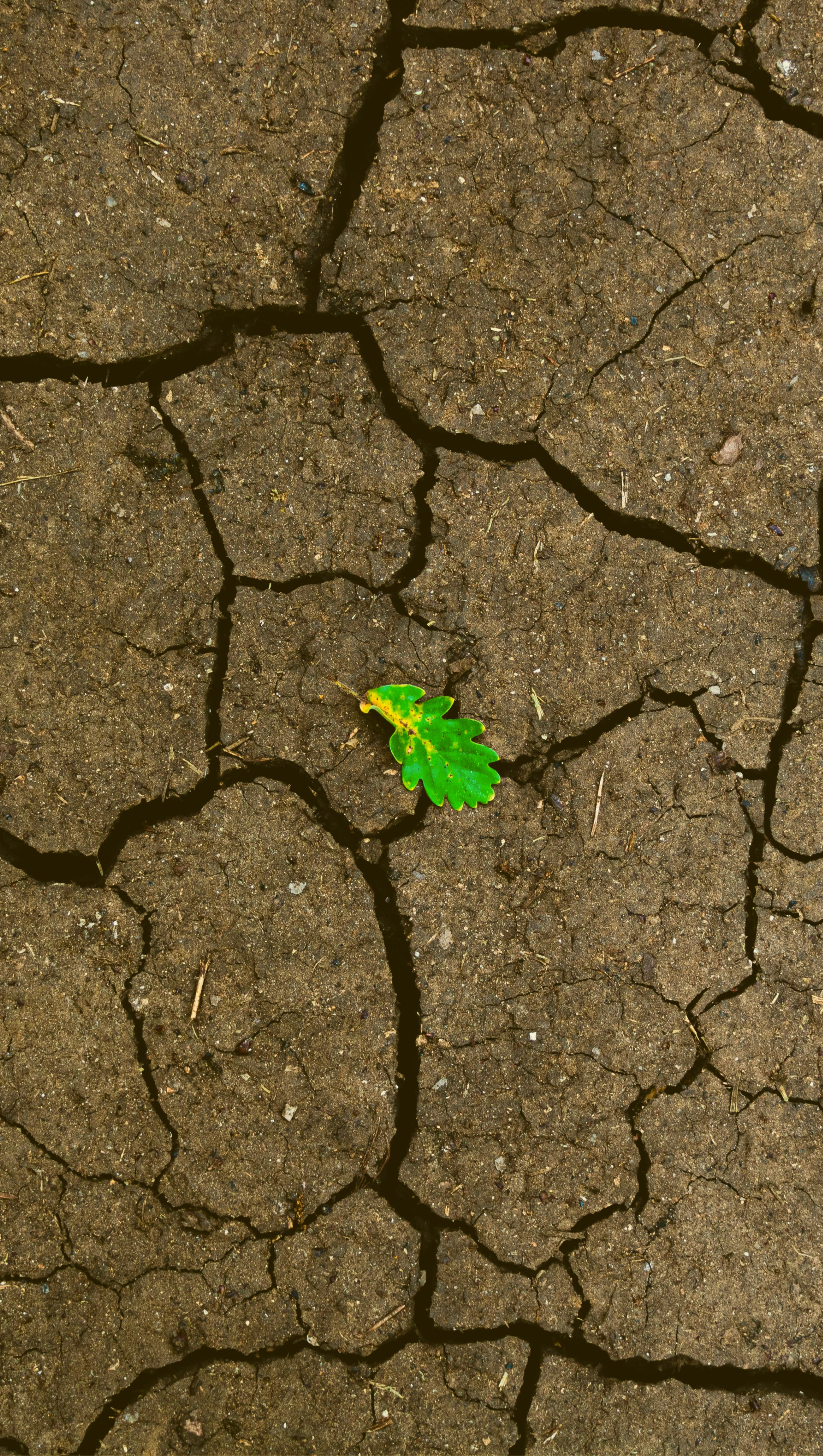
Germ of Life helps Mediterranean territories prepare for the growing risk of drought. As drought affects water resources, agriculture, ecosystems, and local economies, the project turns climate, satellite, and local data into practical support for timely action. Its integrated framework brings together three complementary tools:
- A live monitoring and prediction tool that tracks environmental and vegetation conditions and generates forecasts of drought conditions;
- A Vulnerability Assessment Tool, which helps identify how exposed ecosystems and communities are;
- An Innovation Procurement Platform, which links these insights to context-appropriate Nature-Based solutions and technologies.
Developed through collaboration with public authorities, researchers and end users across four Mediterranean pilot areas, Germ of Life helps decision-makers move from reacting to drought impacts to planning targeted, resilient responses.
MedSeaRise
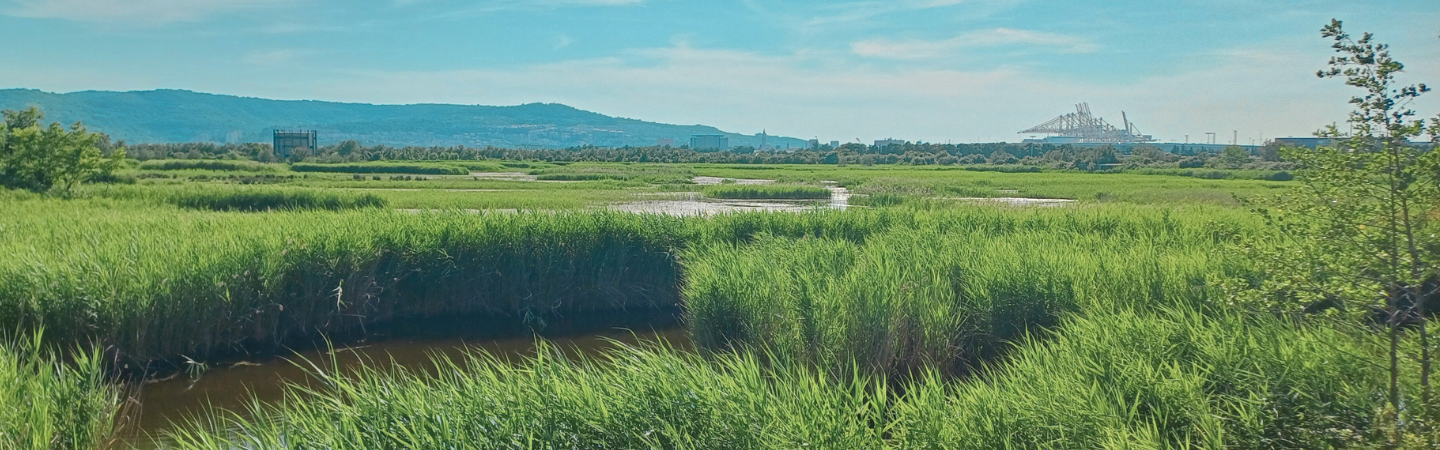
Current climate change is evident in the progressive increase of the sea level. Sea level rise is a hazard that impacts coastal areas and can affect both anthropic activities and ecosystems. The assessment of risks deriving from sea level variations requires a robust quantification of all elements bringing the sea level to become a hazard.
Thus, for an effective adaptation to future sea conditions, it is mandatory to have reliable knowledge on scenarios for sea level trends and the knowledge how to make an effective use of that information and data.
MedSeaRise project contributed to improving the assessment of risks deriving from the sea level variations due to future climate change scenarios, through a methodology that has defined best practices on sea level rise future scenarios usage, in the frame of the risk assessment processes, introducing the perspective of assessment sensitivity to the hazard information source likelihood and its uncertainty.
The methodology works fine for impacts threatening human activities and ecosystems and it is supported by examples of applications that help the stakeholder to flow the scientific information throughout the risk assessment logic. Furthermore, datasets have been generated to help users in applying the methodology and reproducing the examples.

Project posters


Interreg Euro-MED Academy
Do you want to learn more about these remarkable tools for disaster risk reduction and management?
If you are interested in exploring the use of our innovative tools and platforms, master new methods to assess risks and monitor indicators relevant to specific disaster risks, check out the “Digital Tools for Disaster Risk Reduction” MOOC. The course consists of 4 asynchronous modules related to wildfires, drought, flash floods, and sea level rise and effectively brings together the collective expertise of numerous project partners, skilled scientists, academics, and practitioners.
The course is perfect for policymakers, people working in public authorities, management bodies assessing and managing disaster risks at the national, regional, and local levels, as well as people in higher education and research institutions.