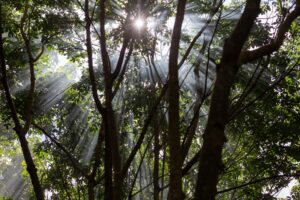
The International Day of Forests is celebrated every year on March 21st, symbolically marking the beginning of spring, when nature enters a new cycle of life. This date was officially established in 2012 by the United Nations, with the aim of raising global awareness about the irreplaceable role of forests and the need for their protection.
Although the idea of dedicating a day to forests existed earlier, the modern concept introduced a new dimension – each year highlights a specific theme that reflects key challenges and the important role of forests in the contemporary world.
In its early years, the focus was placed on the fundamental natural functions of forests, emphasizing their close connection with water and their crucial role in mitigating climate change. Over time, the themes increasingly incorporated the human dimension – highlighting people’s dependence on forests, as well as their importance in energy, urban development and education. In later years, attention shifted toward biodiversity, forest restoration, sustainable production, and the connection between forests and human health.
This evolution shows how the perception of forests has expanded – from a natural resource to a key factor in the survival of our society.
International Day of Forests 2026: Forests and Economies
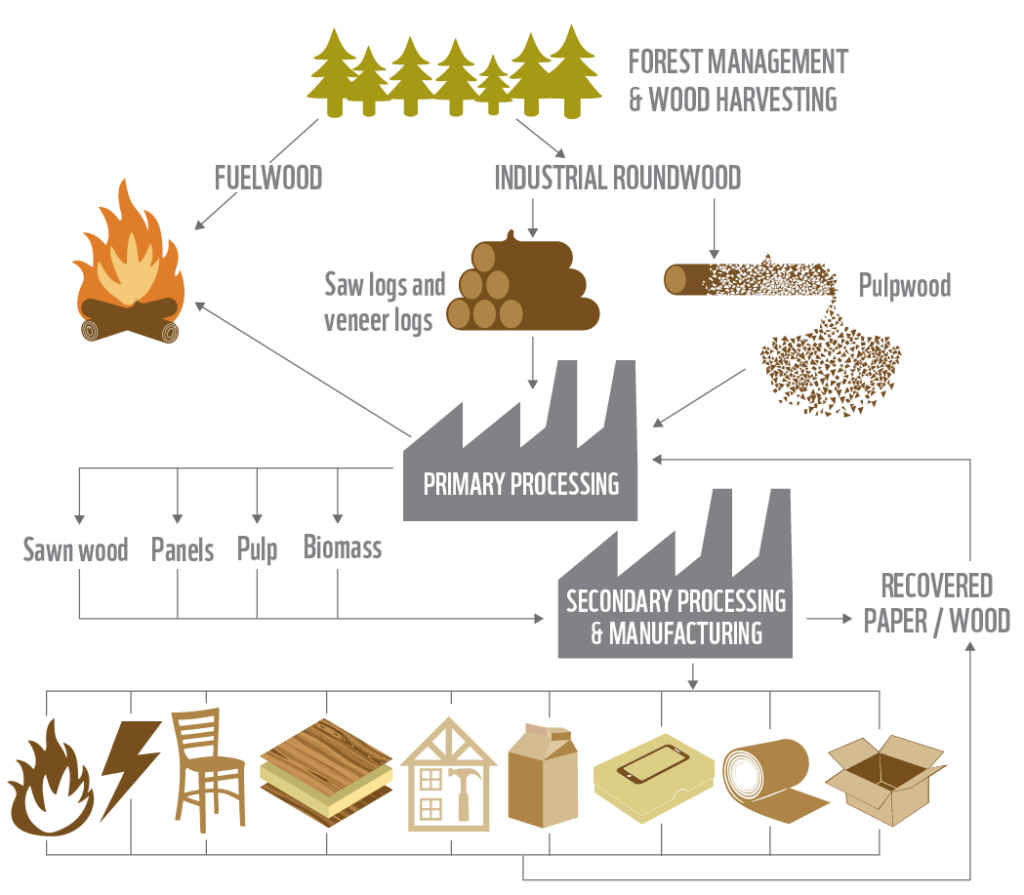
This year’s theme, “Forests and Economies”, emphasizes the significant economic value of forests. Forests provide livelihoods for more than one billion people worldwide and serve as the foundation for numerous industries, including timber, paper, tourism and pharmaceuticals. However, this very economic importance also presents one of the greatest challenges.
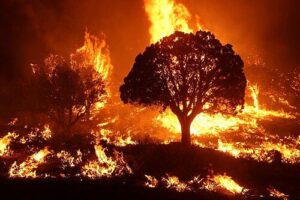
Today, forest ecosystems are facing serious threats. Uncontrolled logging, urban expansion and agricultural development, along with increasingly evident climate change, are leading to the degradation and loss of forests across the globe. The growing number of wildfires, droughts, pests and diseases further threatens their stability. These consequences are not only environmental – they directly affect economies, resource availability and people’s quality of life.
What we can do to help forest systems
In recent years, there is a growing emphasis on sustainable forest management. This approach involves carefully balancing economic use with the preservation of natural functions. One of the key solutions is the restoration of degraded forest areas through reforestation and natural regeneration, as well as stricter control of logging and illegal activities.
In addition, modern technologies play an important role by enabling better monitoring of forest conditions, while the development of a green economy encourages the use of resources in ways that do not compromise future generations. Education and the involvement of local communities are also crucial, as those who live closest to forests are often their most important protectors.
Ultimately, forest protection is not only an environmental issue, but also a matter of long- term economic stability and social development. The International Day of Forests serves as a reminder that forests are the foundation of life on Earth – and that their future depends on the decisions we make today.

This article was written by the Environmental Protection Agency of Montenegro (EPA Montenegro).