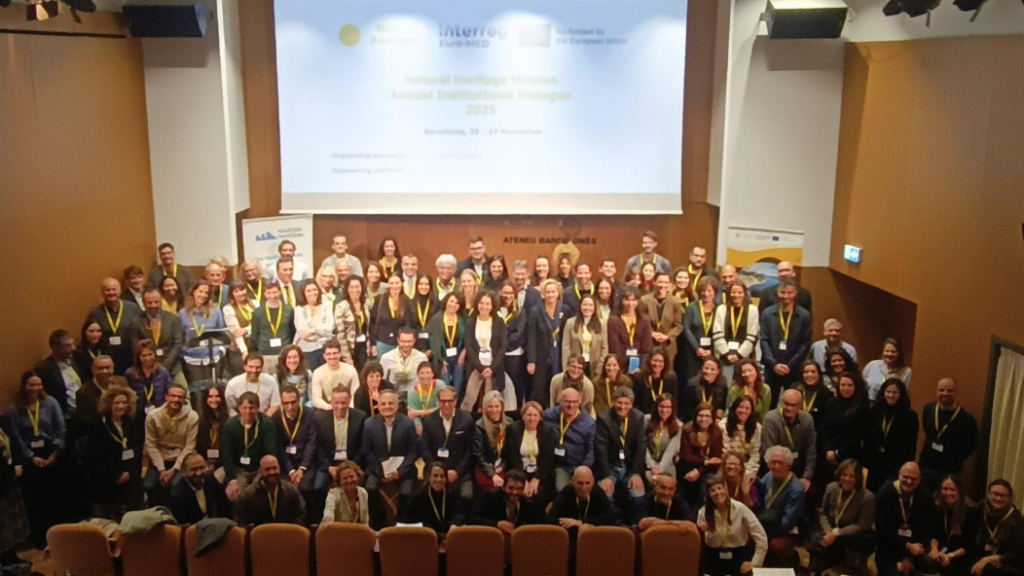
From November 25th to 27th, the Natural Heritage Mission organised its 3rd Institutional Dialogue, coordinated by MedCities and CREAF, in Barcelona, Spain.
Bringing together more than 120 participants from 13 Mediterranean countries, representing European and Mediterranean institutions, national and local administrations, research centres and city networks, the event provided a vital platform to explore actionable solutions for protecting and restoring terrestrial and freshwater ecosystems.
Held in the context of the 10th Union for the Mediterranean Regional Forum, the 30th anniversary of the Barcelona Process, and the 50th anniversary of the Barcelona Convention, the first day of the 2025 Institutional Dialogue provided a strategic space to reflect on evolving Euro-Mediterranean environmental frameworks. Discussions focused on the implications of key EU initiatives, such as the European Oceans Pact, the Pact for the Mediterranean, and the EU Nature Restoration Regulation, for multilevel governance and territorial action. The second day was dedicated to the Natural Heritage Mission’s Community of Practice activities, as the joint work on the Policy Recommendation focusing on terrestrial and wetlands ecosystems restoration and the presentation of the first transferable solutions of the Community’s projects, as well as the introduction of 5 new projects dealing with nature’s protection and restoration. The third day was full of tailored activities focused on transfer opportunities and the launch of the Mission’s mentorship program.
DAY 1 – Transforming the Environmental Governance in the Mediterranean region
Institutional Opening
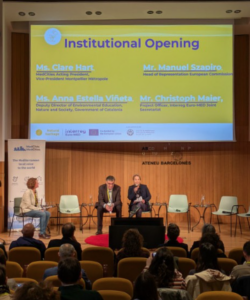 The institutional opening was an opportunity to lay the ground for this year’s Institutional Dialogue and to present, from different perspectives, how environmental governance is perceived and implemented in the Mediterranean region.
Ms Clare Hart, MedCities Acting President and VP of Montpellier Métropole, took the floor to emphasize the need for local authorities to place their challenges on the global agenda. Sustainable and healthy ecosystems are a priority for cities, and MedCities is working to advance this by enhancing public participation.
Following, Mr Christoph Maier, Project Officer at the Interreg Euro-MED Joint Secretariat, explained to the participants the objectives of the Interreg Euro-MED Programme and the support for projects addressing nature protection and restoration, climate change mitigation and adaptation, and nature-based solutions. Moving from ideas to structured and scalable government action, projects’ tools and solutions shall be transferred across the Mediterranean region to drive policy impact.
Advancing Euro-Mediterranean Cooperation for Transformative Environmental Governance
The morning session was composed of two roundtables, which provided deeper insights as follows:
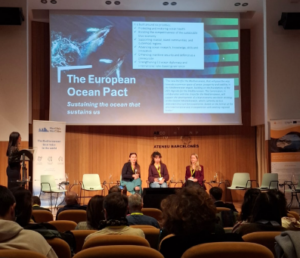
The first roundtable (Mr Dario Vaschetto, Policy Officer, DG MARE, Ms Justine Belaïd, Policy Officer, DG MENA, Ms Alessandra Sensi, Head of Environment, Green and Blue Economy, Union for the Mediterranean, Mr Antoine Lafitte, Deputy Director, Plan Bleu, and Ms Insa Behrens, Water Management and Climate Change Project Officer, Plan Bleu) focused on the Ocean’s Pact and the Pact for the Mediterranean, as well as on their embedment in and upscaling by regional governance frameworks.
Mr Dario Vaschetto on the Ocean’s Pact: “A strong governance framework is needed to align actions at Union, regional, national, and local levels through the various sea basins, involving both EU and non-EU countries.”
In the same context, the second roundtable dealt with the multilevel governance implications and opportunities. Views from the countries were shared by Ms Sihem Filali, Director General of the Environmental Governance Unit at Tunisia’s Ministry for the Environment, and Ms Sanela Metjahic, Senior Adviser at the Directorate for International Cooperation and EU Funds of Montenegro’s Ministry of Ecology, Sustainable Development and Northern Region Development.
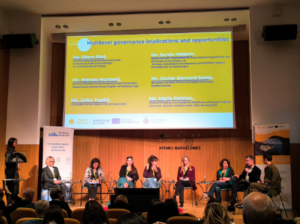
Views from the regions were shared by Ms Emanuela Manca, representing Mr Matteo Muntoni, General Director of the Environmental Protection Department of the Autonomous Region of Sardinia, Italy, and Mr Xavier Bernard-Sans, Secretary General of the Euroregion Pyrenees Mediterranean. Finally, the local perspective was presented by Ms Jelka Tepšić, Counsellor to the Mayor, City of Dubrovnik, and Ms Marie Pelatan, Head of Projects, International Relations and Large Projects Direction, Mission Méditerranée, Ville de Marseille.
Mr Xavier Bernard-Sans highlighted the importance of local action and local communities being active in their territories, giving the example of fishermen, explaining that “We need to adapt to the local area the strategies, functional areas […] we need to adapt also the rules, the regulations […]”.
The session concluded with a live debate between the Natural Heritage Community of Practice and the panelists.
Nature Restoration Plans: Policy Territorial Solutions to Global Challenges
The main topic of the afternoon session was the Nature Restoration Plans, as Policy Territorial Solutions to Global Challenges. The keynote speech by Ms Claire Boudy, Nature Restoration Senior Officer at the IUCN EU Representative Office, focused on the Nature Restoration Regulation and the forthcoming National Restoration Plans due in 2026. The presentation was followed by an institutional roundtable and presentations of four specific solutions from the Natural Heritage Community projects.
During the institutional roundtable, views from the countries were presented by Mr Manuel Oñorbe Esparraguera, Head of Service at the Sub-Directorate General for Terrestrial and Marine Biodiversity in Spain, and Mr Aurélien Carré, Coordinator of the Terrestrial and Marine Ecosystem Restoration Unit at the Muséum National d’Histoire Naturelle in France.
Mr Manuel Oñorbe presented Spain’s approach to preparing its national restoration plan, structured around multi-level governance and broad participation frameworks, including coordination among national, regional and local authorities through specific working groups. The process integrates data from existing inventories and policies to set restoration targets, supported by extensive stakeholder consultation and technical assessment. Mr Aurélien Carré then described France’s efforts to design its national restoration plan. He highlighted the challenges of collecting and harmonizing data on habitat distribution and condition, the identification of degraded areas and priority ecosystems, and the development of biodiversity indicators to guide restoration targets.
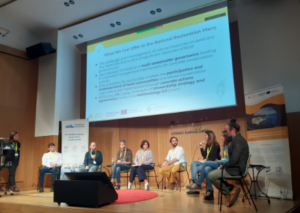
The regional perspective was exposed by Ms Anastasia Kolokotsa, Restoration Project Manager at the Natural Environment and Climate Change Agency (NECCA) in Greece. In contrast, the local perspective was presented by Mr. Álvaro Sainz, Head of Projects and Works at OTG within the Barcelona Metropolitan Area.
Four of the Natural Heritage Community projects, i.e. COASTRUST, LocAll4Flood, WE GO COOP, and Wetland4Change, had the chance to present solutions, which can be used when planning restoration actions, assessing degraded ecosystems, engaging stakeholders, and enhancing climate resilience.
The Institutional Dialogue’s first day concluded with the Barcelona Process and UNEP/MAP Barcelona Convention anniversaries celebration, followed by a cocktail reception.
MPA4Change (back-to-back) Final Event
For those interested in Marine Protected Areas, the MPA4Change project had its final side event in the same venue. The event “Climate change adaptation in the Mediterranean Coastal Areas” was held immediately after the Institutional Dialogue had concluded. Participants had the opportunity to learn about the latest project developments and the launch of its 100MPA MedAlliance, discover other initiatives contributing to marine conservation in the Mediterranean such as CLAPS, GreenList4MMPAs and MedProact projects, and engage with new climate change adaptation efforts beyond the project’s closure.
DAY 2 – NHM Community of Practice Activities
Building on the Policy Recommendations on Restoration
The first session of the 2nd day was an opportunity to address the policy recommendations stemming from the Natural Heritage Mission on terrestrial and freshwater ecosystems restoration and to consolidate them through targeted inputs from Mediterranean partners (both EU and non-EU).
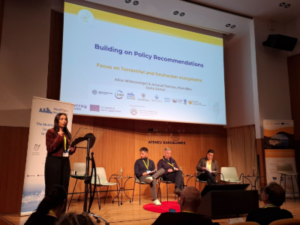
The discussion highlighted that effective terrestrial and wetland ecosystem restoration in the Mediterranean requires moving beyond policy alignment toward binding implementation, accountability, and equity, anchored in global frameworks such as the Global Biodiversity Framework (Target 2), the EU Nature Restoration Regulation, the Mediterranean Strategy for Sustainable Development (2026–2035) and reinforced by the Barcelona Convention’s legal instruments, including the Protocols on Biological Diversity and ICZM and the post-2020 SAP BIO.
Participants stressed the need to bridge the gap between EU, national, and local actions through strengthened multi-level and transboundary governance, the integration of restoration priorities into spatial, watershed, agricultural, and urban planning, and the identification of mapped priority restoration areas. Restoration must be supported by enforceable legal frameworks, diversified and innovative financing tools, and transparent monitoring systems based on robust ecological indicators and open data.
The debate also highlighted the importance of participatory, inclusive and equitable governance models that empower local communities as active stewards of restoration, promote gender-responsive and intergenerational approaches, and reinforce trust between institutions and citizens.
The final, consolidated policy recommendations, refined through this participatory process, will be published at the beginning of 2026 as a shared roadmap to guide coordinated action for terrestrial and freshwater ecosystem restoration across the region.
Fostering adoption
This session aimed to present the first transferable solutions of the Natural Heritage Mission’s Community of Projects, as well as the new projects entering the Community. The session was structured mainly around 18 pitches.
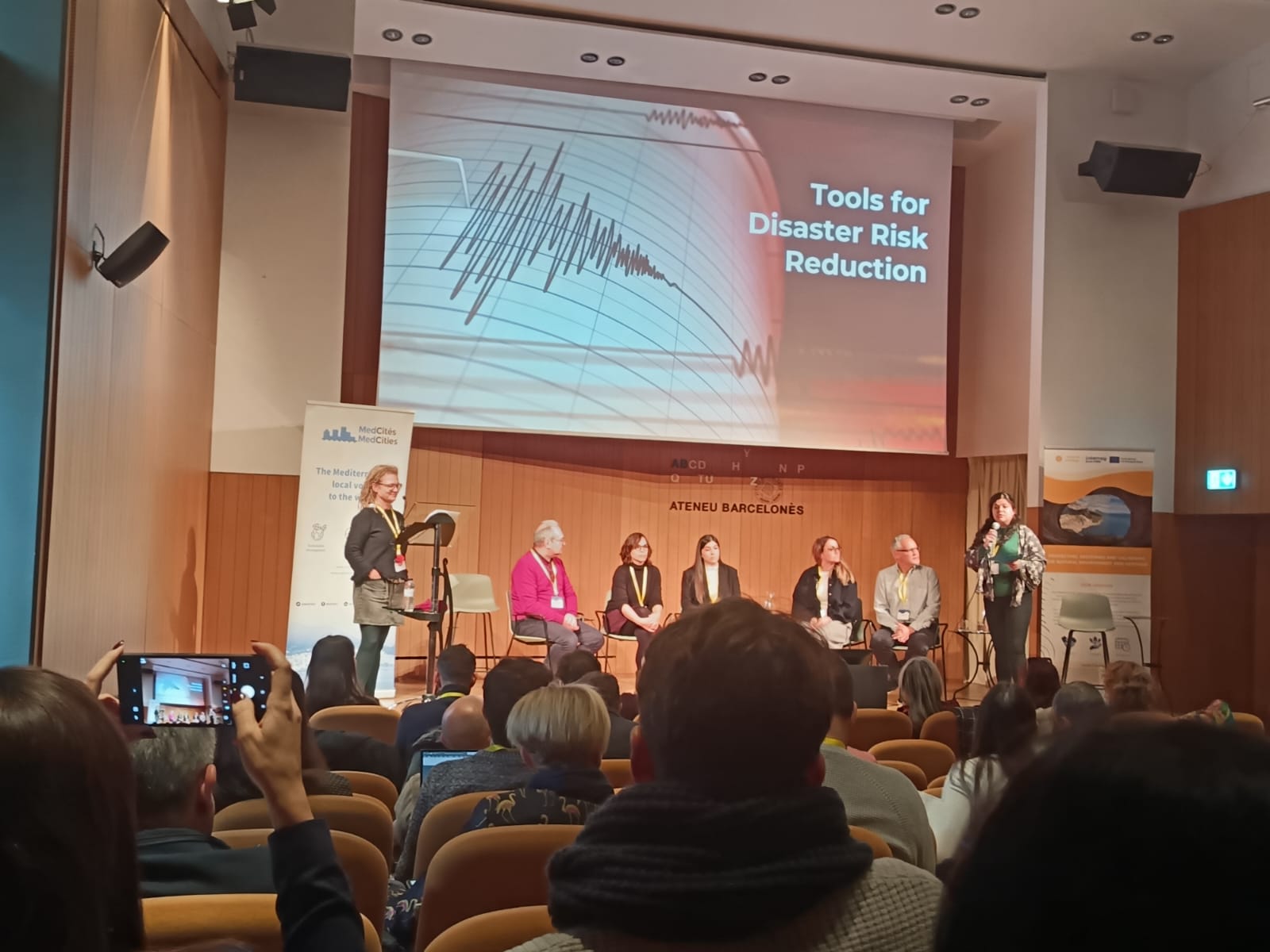
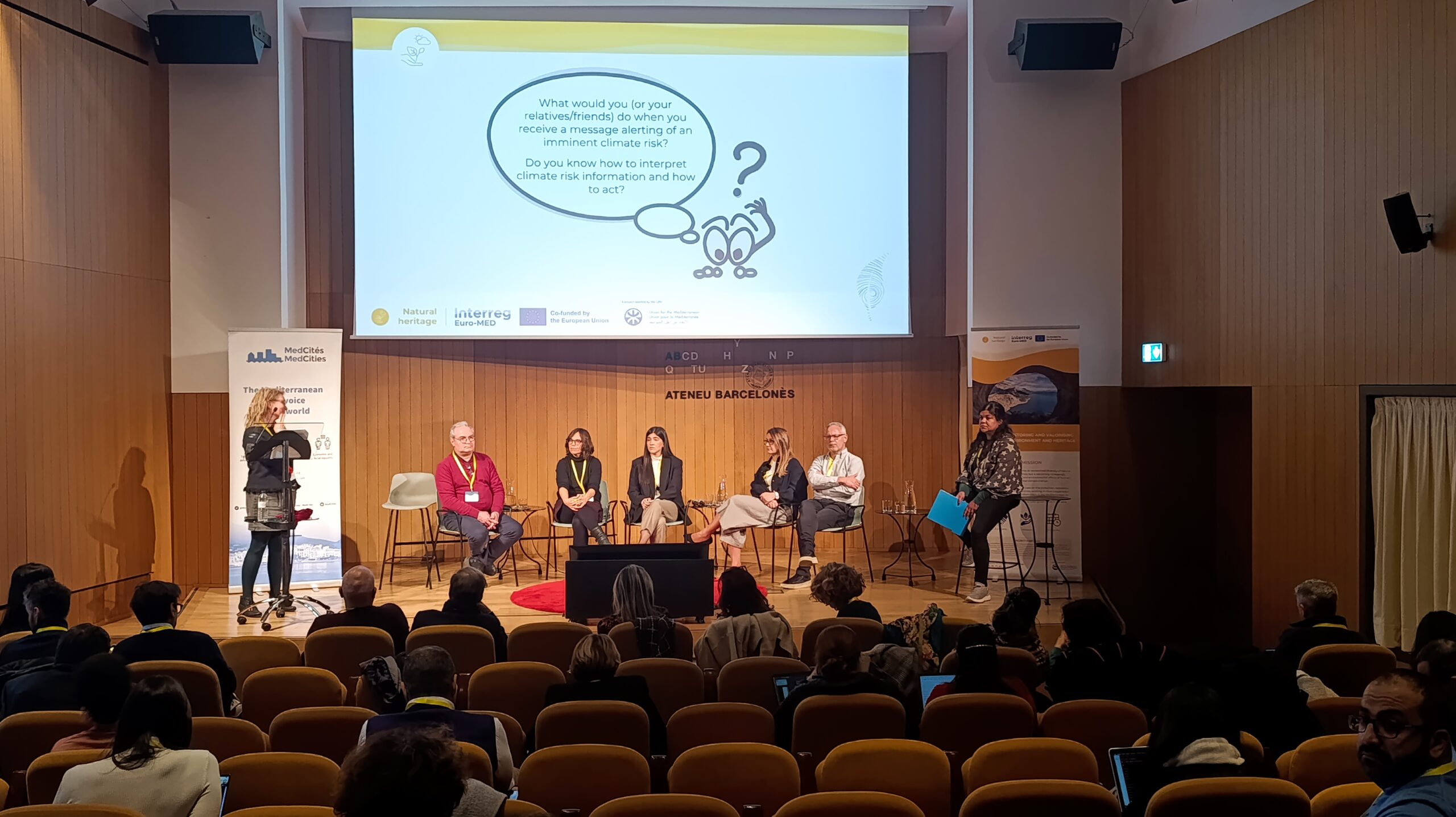
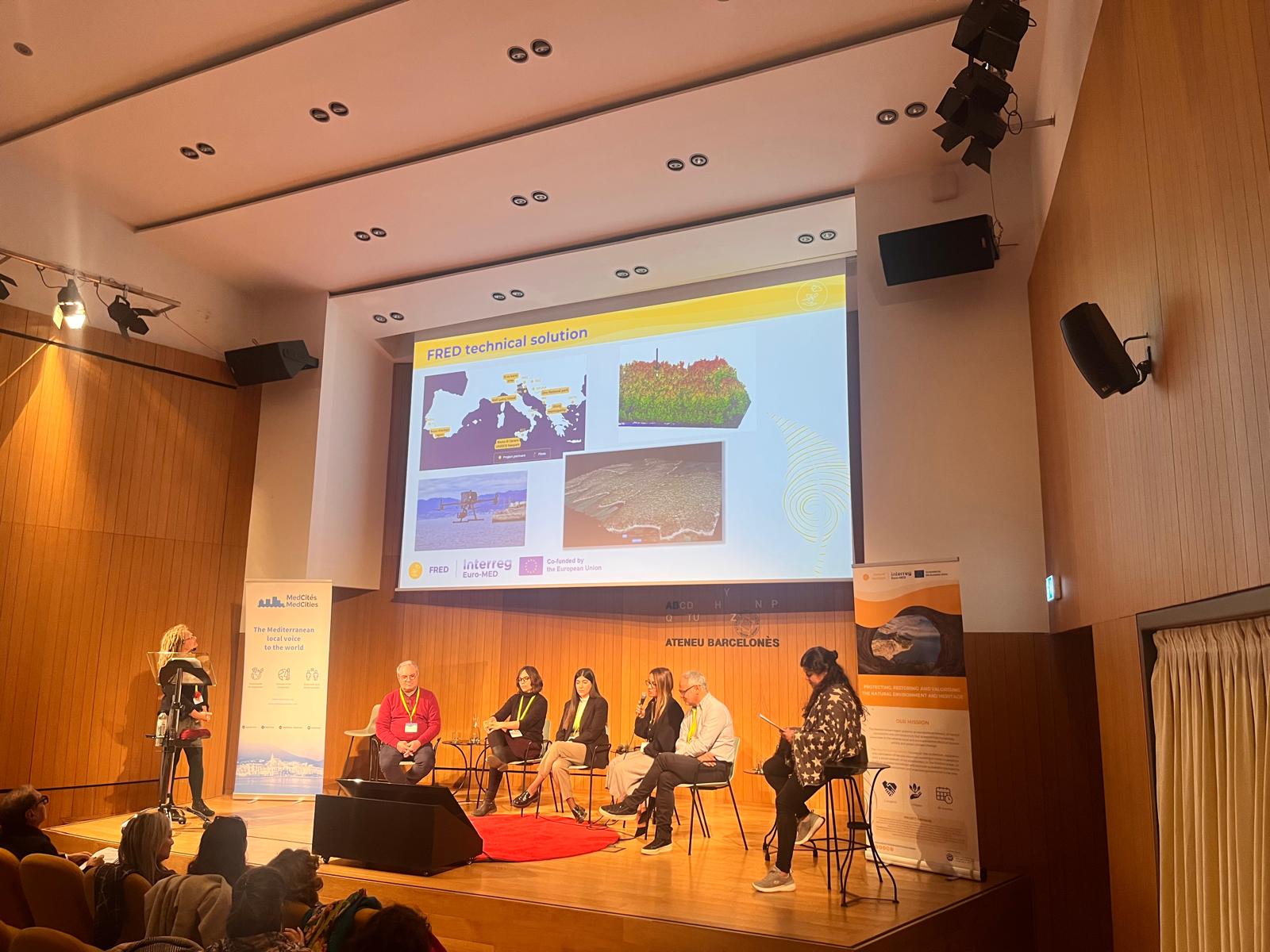
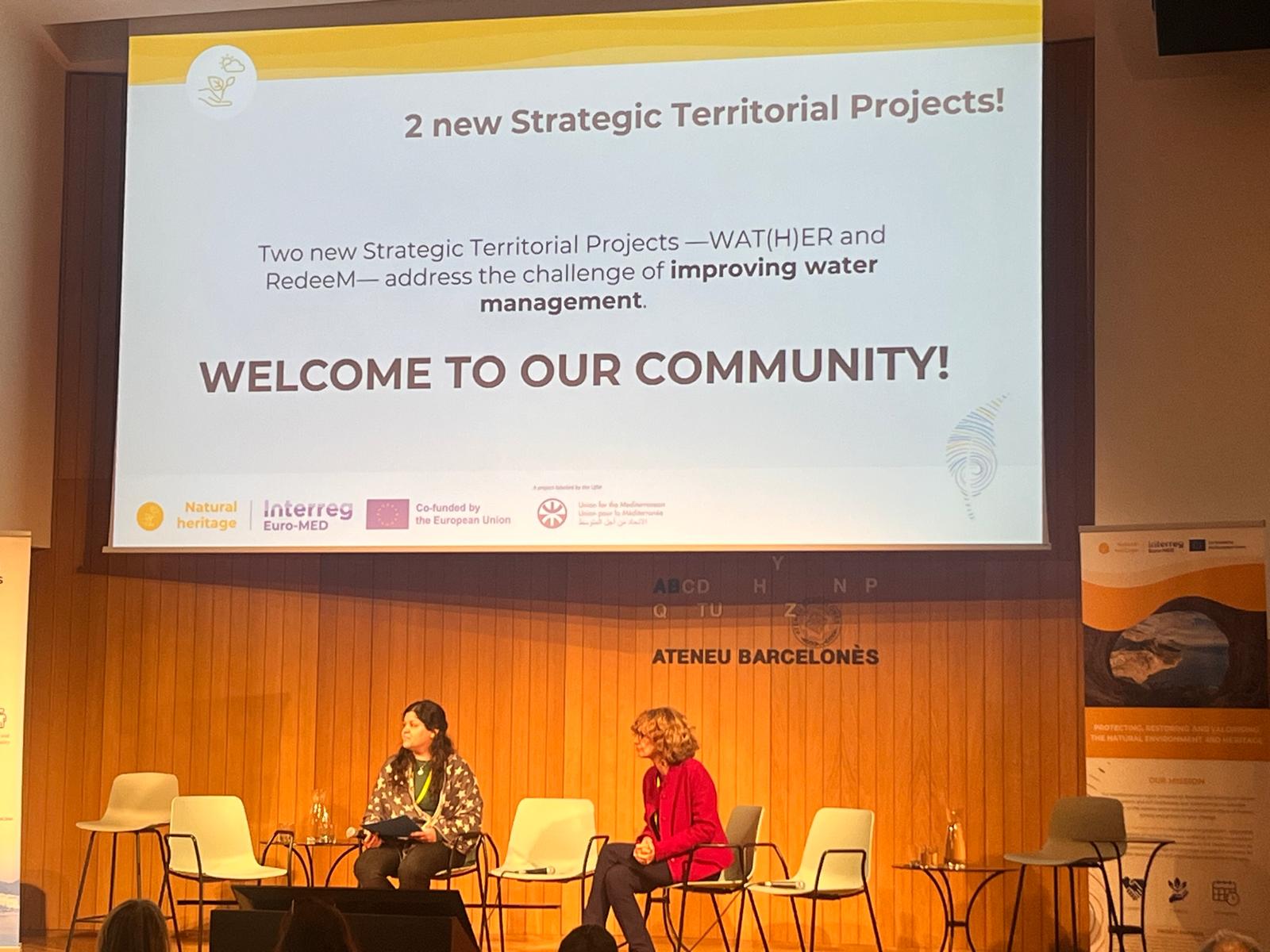
The first two were dedicated to the New Strategic/Territorial projects, i.e. WatHer and RedeeM. The following were divided into ‘topic-oriented’ categories:
- Digital tools for disaster risk reduction (Germ of Life, MedSeaRise, FRED, LocAll4Flood)
- Healthy ecosystems and nature contributions to people (Wetland4Change, CARBON 4 SOIL QUALITY, ARTEMIS)
- Forest management (StrategyMedFor, RENFORCE)
- Marine Protected Areas management (GreenList4MMPAs, MPA4Change)
- Coastal adaptation (MIRAMAR, TREASURE, INCORE-MED)
- Tools for environmental governance (WE GO COOP, COASTRUST)
Solve The Challenge 2025 Awareness campaign closing activity
 To celebrate the closure of the 2025 Solve the Challenge awareness campaign on environmental governance, a video highlighting the challenges addressed by the Natural Heritage Community of Practice was created and projected in the room.
During the projection, the connection to the previous session and to the solutions proposed by the projects was also highlighted.
Nature Governance in the Med: Coordination status and prospects among Euro-MED and non Euro-MED institutions
The last session of the 2nd day aimed to present the results of the ongoing study on nature governance coordination mechanisms in the Euro-Mediterranean region. Mr Dimitrios Bormpoudakis and Ms Marilena Mochianaki Karampatzaki of the Region of Crete explained the participatory process for identifying challenges and opportunities to strengthen Euro-MED and non-Euro-MED cooperation. The study revealed that while the Mediterranean faces shared climate and biodiversity risks, fragmented governance, uneven capacities, and limited science-policy integration continue to hinder effectiveness. The mapping of 66 environmental organizations and the analysis of Euro-MED and Horizon Europe collaborations highlighted the region’s strong potential for improved coordination through network alignment and knowledge exchange. Clusters of scientific cooperation on Nature-based Solutions and ecological connectivity showed growing links but uneven participation among countries. The session concluded by inviting stakeholders to contribute to a survey on Mediterranean coordination, which will guide the design of concrete actions to enhance policy coherence, collaborative governance, and transboundary restoration efforts across the region.
The Institutional Dialogue’s second day concluded with the final reflections, next steps, and upcoming events.
DAY 3 – Tailored activities for transfer opportunities
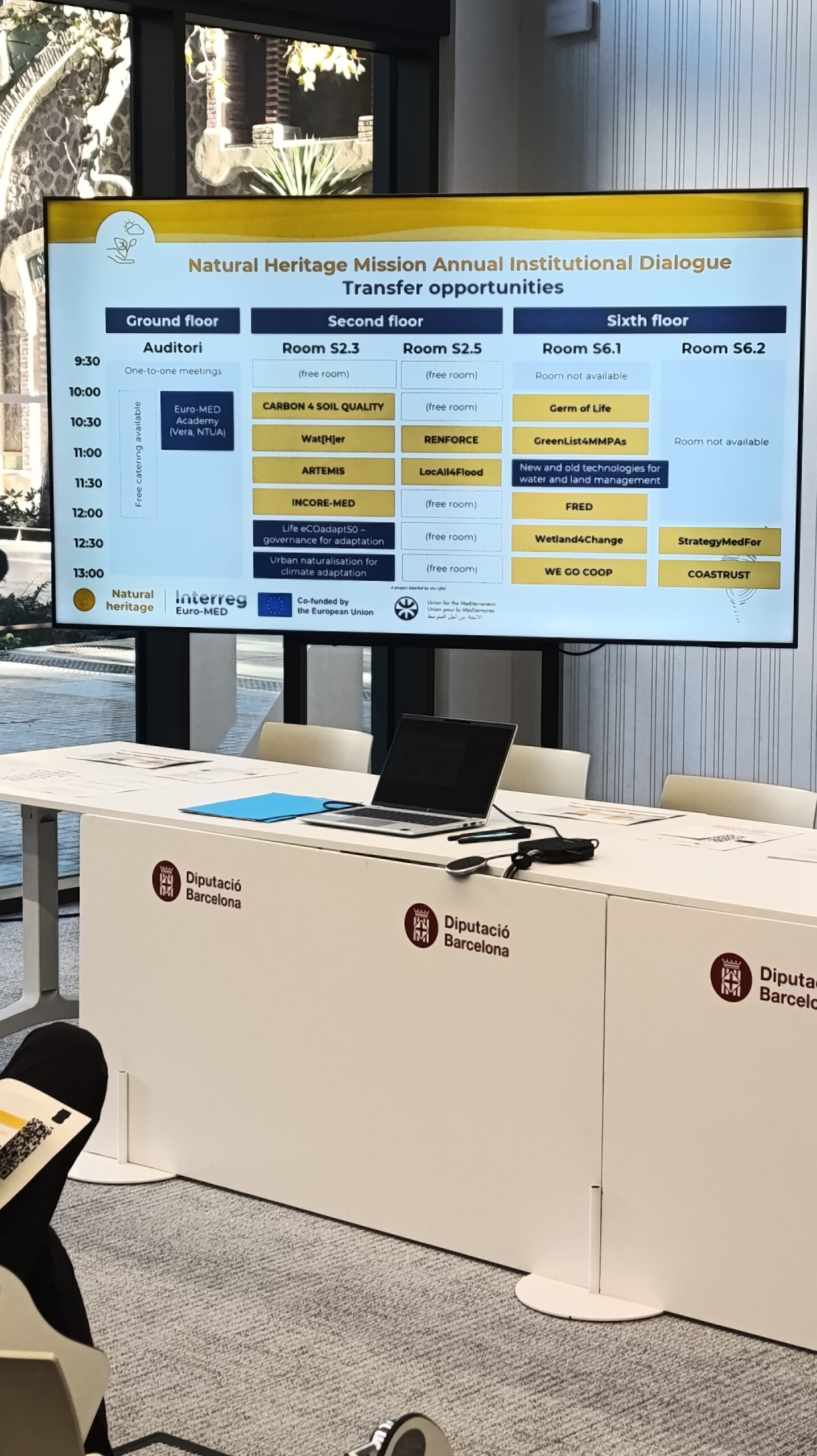
On the third day, tailored activities for transfer opportunities dedicated to the community members and key actors were planned. Participants were part of an engaging platform that fostered the adoption of solutions, replication of case studies, and interest in developing new project ideas within the Mission’s network. For this reason, B2B and group meetings were planned well in advance and also scheduled during the two previous days.
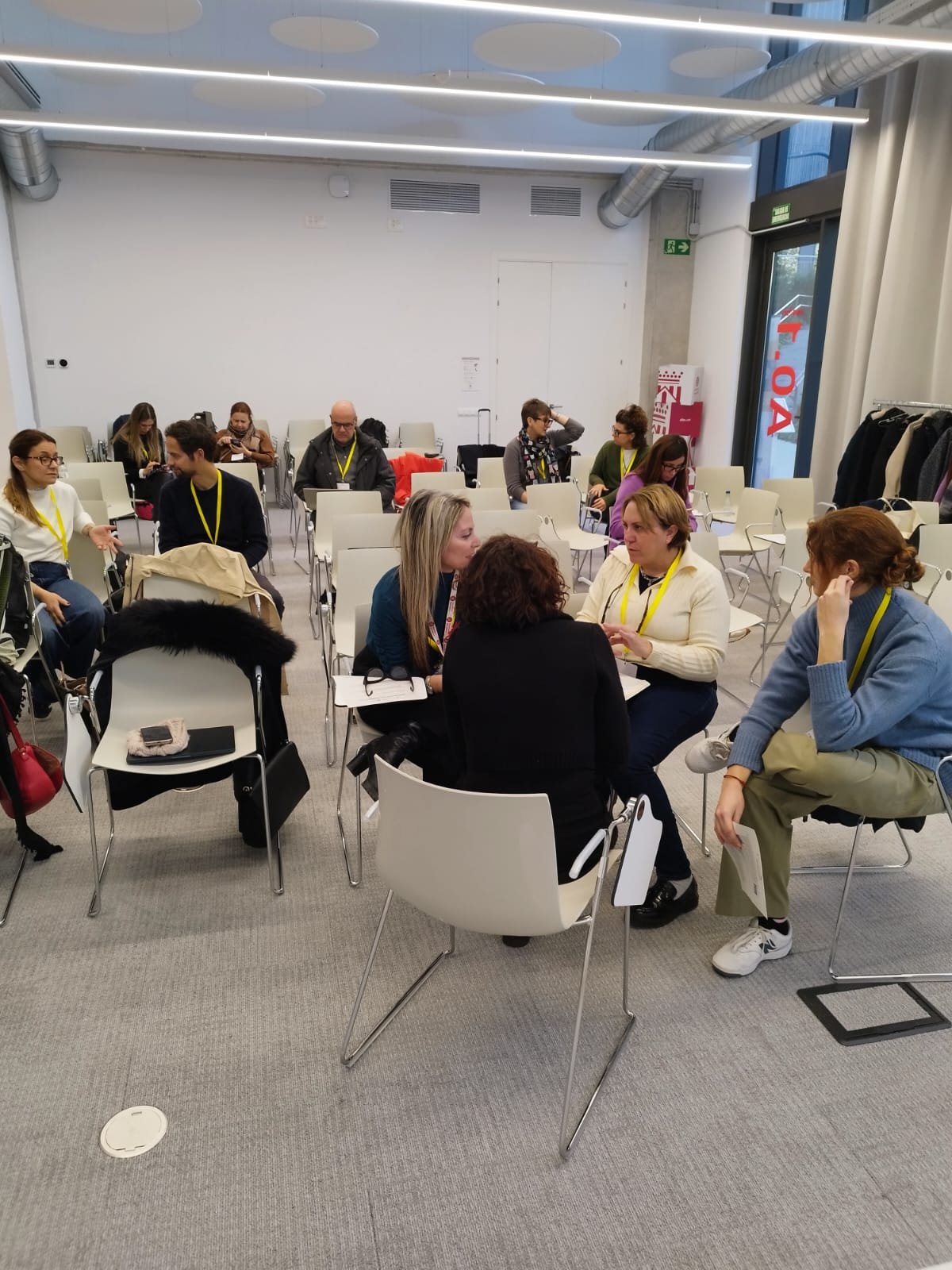
B2B meetings were organised for people seeking a more closed, to-the-point meeting with a Thematic Project representative.
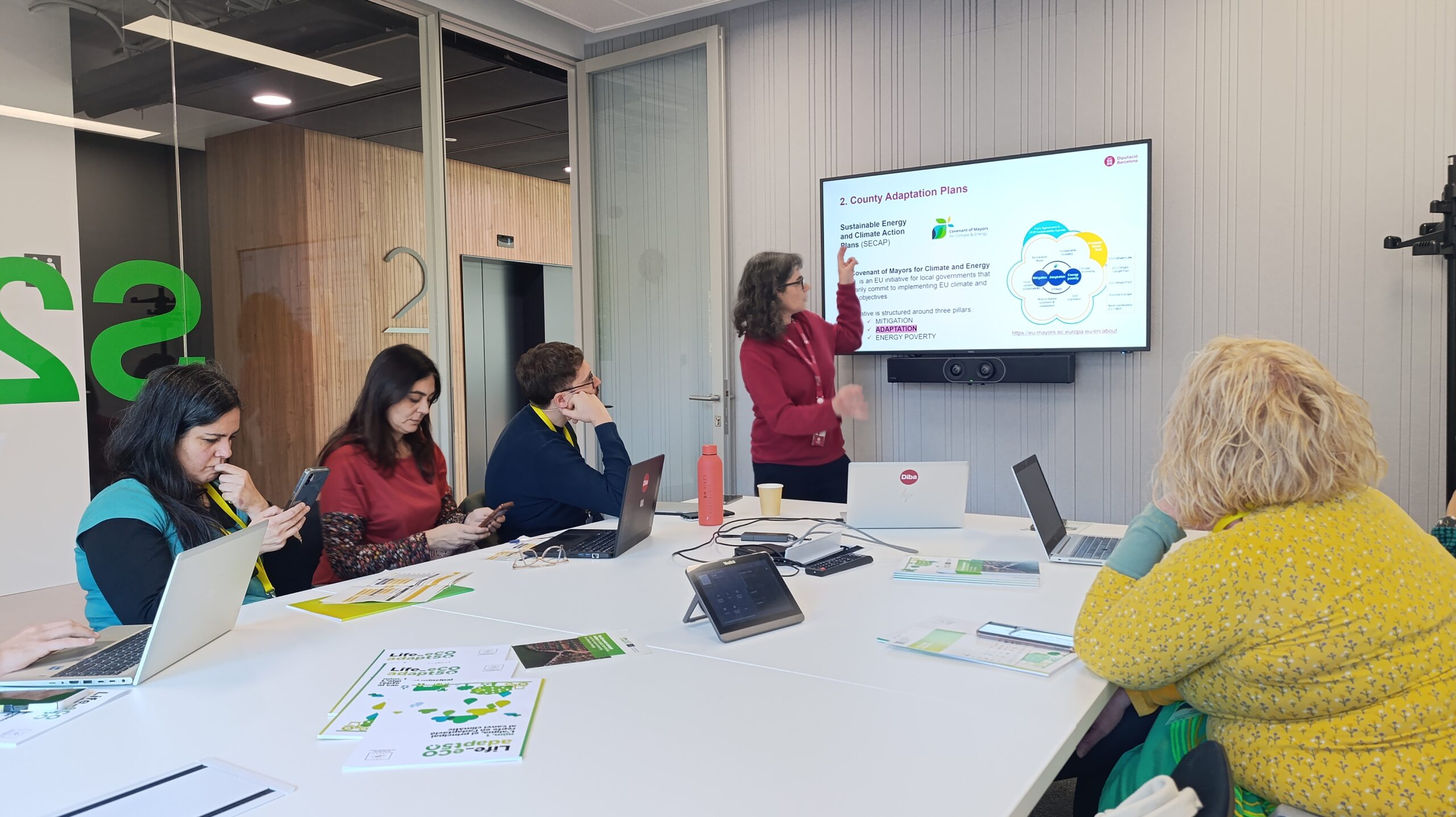
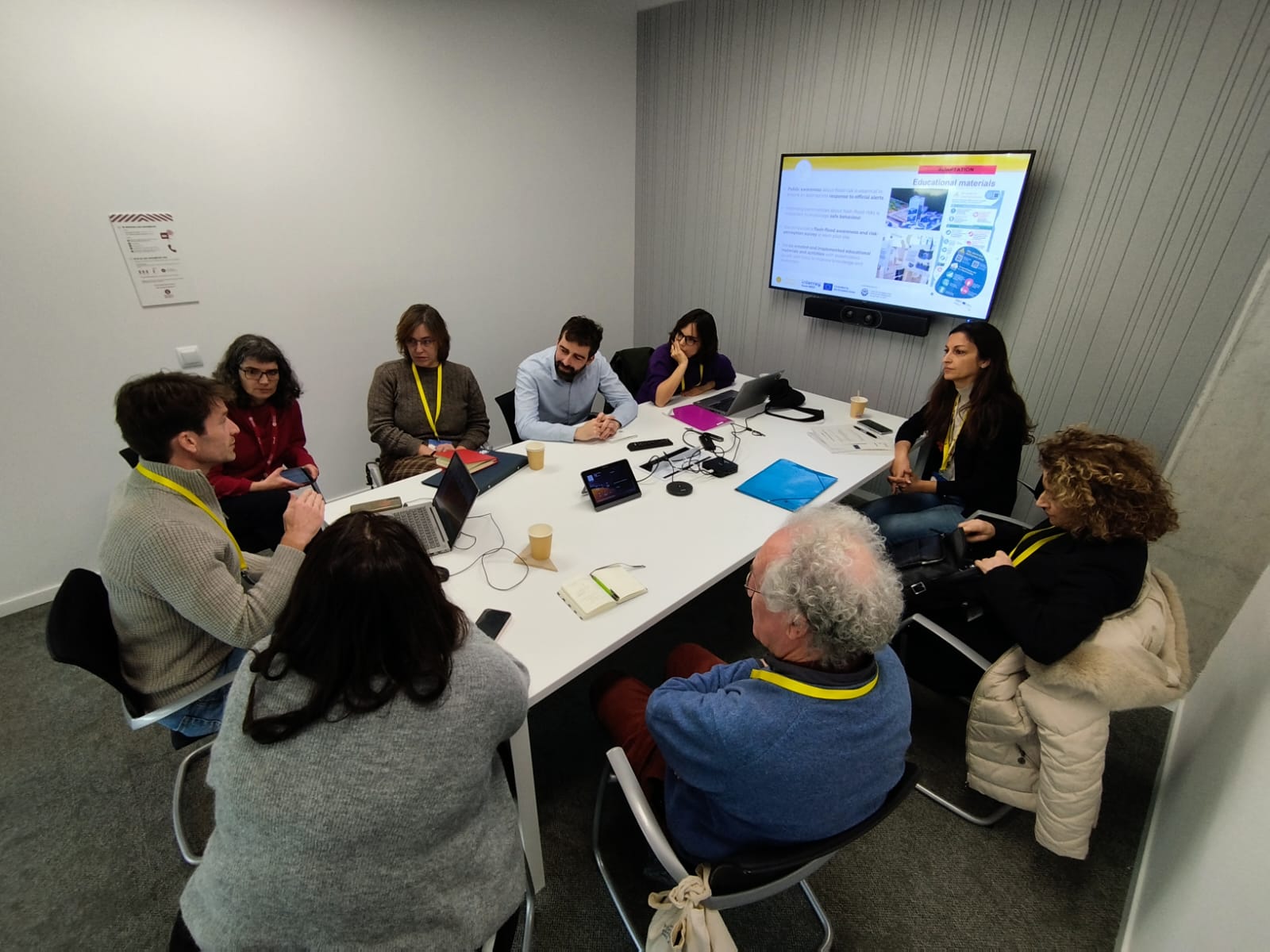
Group meetings were held for each Thematic Project attending this day’s activities. The group meetings were booked in dedicated meeting rooms to ensure at least one reference and open space for each thematic project, where interested stakeholders could come together and learn more about them. During these meetings, some projects also had the opportunity to demonstrate their tools.
Find more material (presentations, photos, reports) of the 2025 Institutional Dialogue event here!